This content is reader-supported, which means if you click on some of our links, we may earn a small commission at no additional cost to you.
Vegan travel in the Middle East sounds intimidating to a lot of people. And I get it. The region isn't exactly known for plant-based branding the way Berlin or Los Angeles is. But here's the thing that surprised me as I researched this for my own future trip: a huge amount of the region's everyday cooking is already vegan, it just doesn't get marketed that way. Chickpeas, lentils, eggplant, fresh herbs, and flatbread show up on nearly every table.
That doesn't mean you can walk in with zero prep. There are hidden ingredients to know about, dress codes that matter more in some places than others, and timing quirks like Ramadan that can reshape a trip if you don't plan around them. This guide covers what I'd want to know before booking flights, so you can spend less time worrying about your next meal and more time actually enjoying the trip.
Is Vegan Travel in the Middle East Actually Doable?
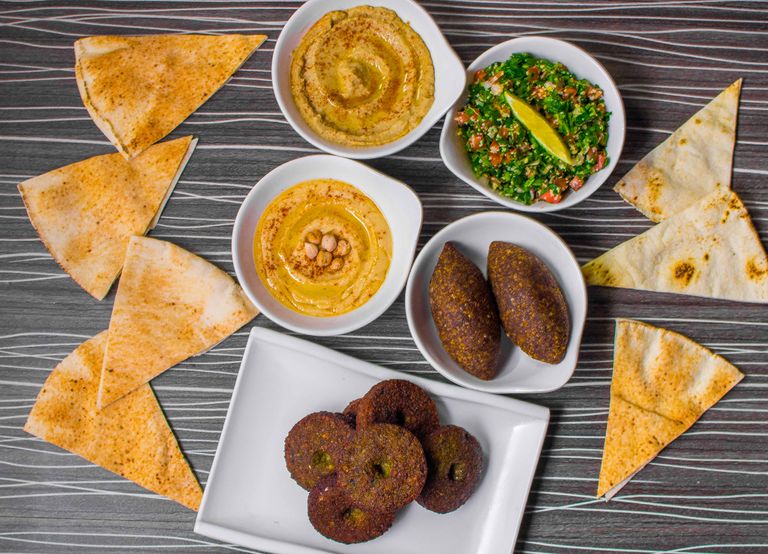
Short answer: yes, and in a lot of ways it's easier than people assume. Middle Eastern cuisine leans heavily on legumes, grains, vegetables, and herbs as the backbone of everyday meals, not as an afterthought. Mezze culture in particular works in our favor. Instead of one entree built around meat, you're often served a spread of small dishes, and a solid chunk of that spread is naturally plant-based.
The harder parts tend to be less about finding vegetables and more about navigating hidden animal products, language barriers in smaller towns, and figuring out which countries have an active plant-based dining scene versus which ones require more legwork. Knowing the difference before you land saves a lot of stress once you're there.
Dishes You Can Usually Order Without a Fight
A few dishes show up across the region and are typically vegan as prepared, though it's always worth double-checking for ghee or butter, especially in home-style restaurants:
- Hummus: chickpeas, tahini, lemon, and garlic
- Baba ganoush: smoky roasted eggplant dip
- Falafel: fried chickpea or fava bean fritters (confirm they're fried in fresh oil, not the same oil used for meat, if cross-contamination is a concern for you)
- Tabbouleh: parsley, tomato, bulgur, and lemon
- Fattoush: a bright salad with toasted or fried pita
- Ful medames: stewed fava beans, especially common at breakfast in Egypt
- Foul and manakish za'atar: flatbread topped with the herb and oil blend za'atar, though cheese versions are extremely common so specify plain za'atar
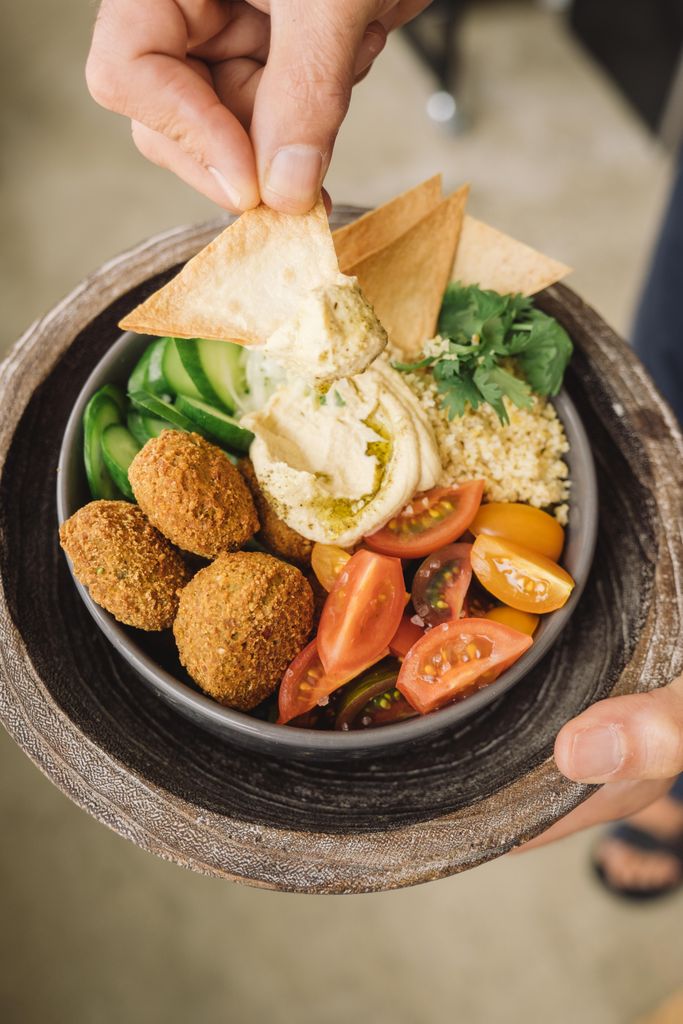
The Hidden Animal Ingredients Worth Watching For
This is where most vegan travelers get caught off guard, and it's worth learning these before you go rather than mid-meal:
- Ghee: clarified butter, used in rice dishes and some breads
- Labneh: strained yogurt, often served alongside mezze
- Honey: common in desserts like baklava and in some sauces
- Yogurt-based sauces: used to top rice dishes, wraps, and some salads
- Fish sauce or fish-based stocks: less common than in Southeast Asia, but worth asking about in coastal areas
- Stock made with meat or bone broth: used as a base for rice and some soups even when the final dish looks plant-based
A simple phrase goes a long way here. Learning to say "no animal products, no dairy, no honey" in the local language of wherever you're headed will get you further than English alone, especially outside major tourist areas.
Country-by-Country Notes for Vegan Travel in the Middle East
The vegan scene shifts a lot depending on where you land. Here's a rough breakdown of what to expect in a few of the most visited spots.
United Arab Emirates (Dubai and Abu Dhabi)
Dubai has genuinely become one of the more plant-based-forward cities in the region. Hotel groups and restaurant chains have been actively expanding vegan menu sections, and it's increasingly normal to see dedicated plant-based options rather than a meal of sides. This is one of the easier entry points into the region if you want a big-city vegan scene alongside more traditional cuisine.
Jordan
Jordan pairs naturally vegan mezze culture with major sites like Petra and Wadi Rum, which makes it a popular stop. Amman has a growing number of vegetarian and vegan-friendly restaurants, but once you're out at desert camps or smaller towns, stick to the classics: hummus, falafel, ful mudammas, and fresh vegetables, and confirm rice dishes aren't cooked in ghee or meat stock.
Israel (Tel Aviv)
Tel Aviv is consistently ranked among the most vegan-friendly cities in the world, with a dense concentration of fully vegan restaurants and cafes. If you're building a Middle East itinerary specifically around plant-based dining, this city deserves serious consideration.
Turkey
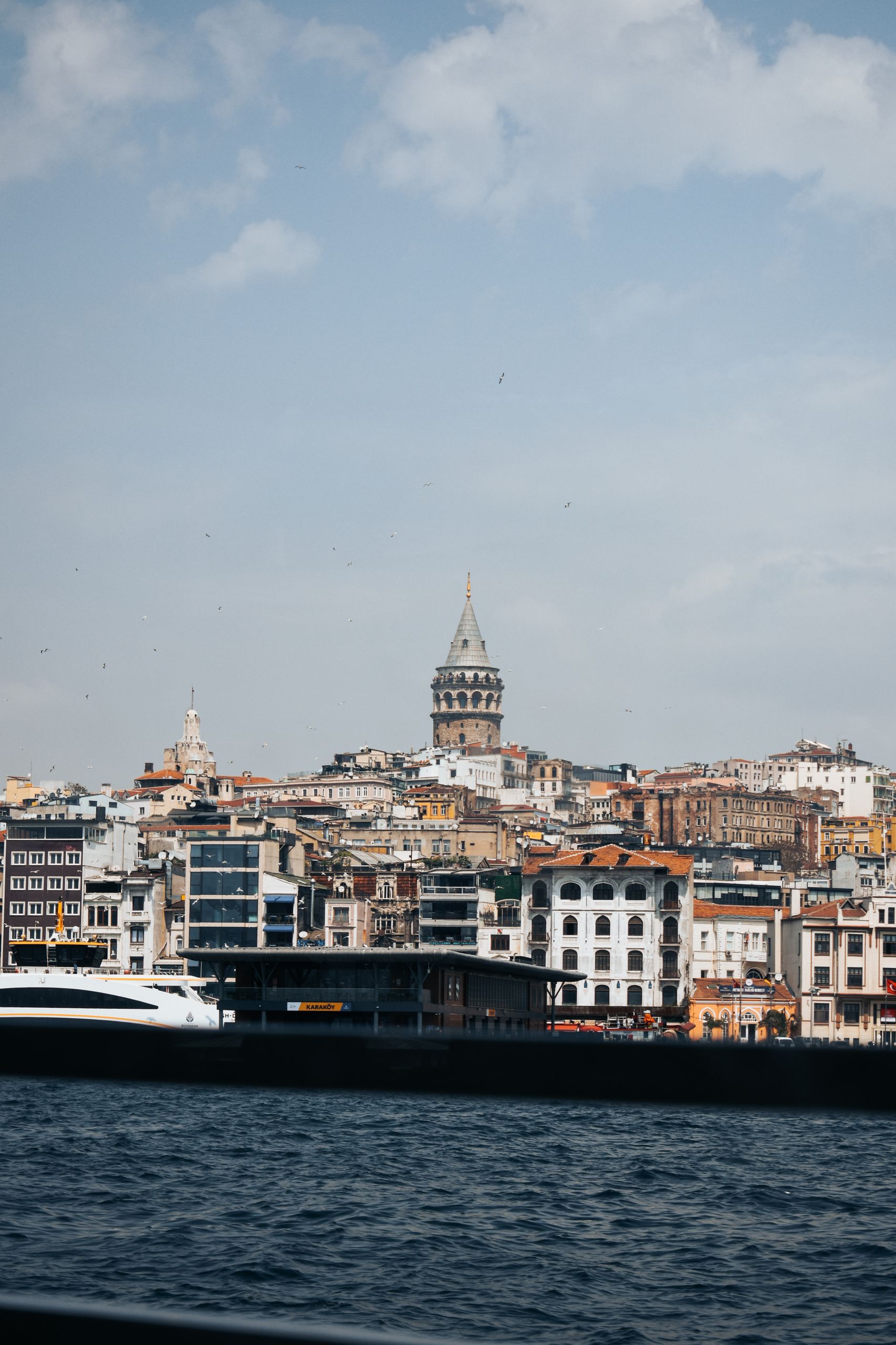
Turkey sits at the edge of the region and blends Middle Eastern and Mediterranean influences. Istanbul in particular has an expanding vegan restaurant scene, plus naturally plant-based staples like mercimek çorbası (red lentil soup) and various eggplant dishes, though again, ask about the broth base before ordering soup.
Egypt
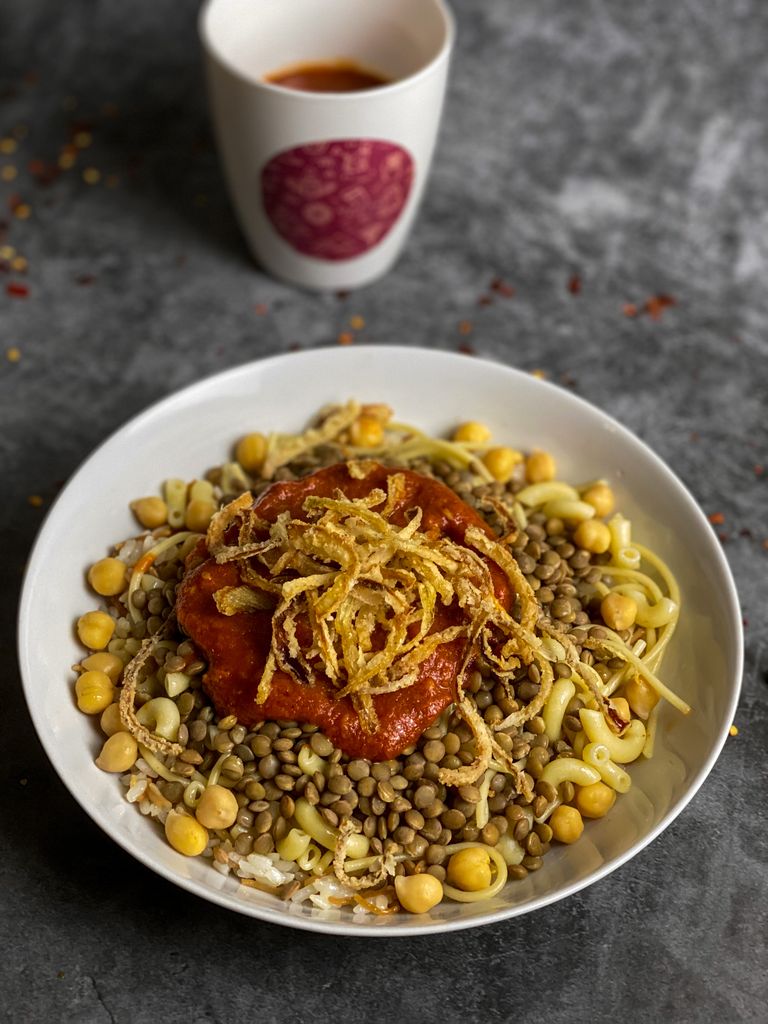
Egypt's food culture already leans plant-heavy thanks to dishes like ful mudammes and koshari (a filling mix of rice, lentils, and pasta topped with tomato sauce and crispy onions, typically vegan as served). Cairo and Luxor have more tourist-facing restaurants able to accommodate you, while smaller towns will mean leaning on the classics and simple ingredient swaps.
Practical Things to Know Before You Go
Dress Code and Etiquette
Dress codes vary widely by country and even by neighborhood, so it's worth researching your specific stops rather than applying one blanket rule to the whole region. Modest clothing (shoulders and knees covered) is a safe default in most public settings outside beach resorts and international hotel zones, and it's respectful to have a scarf on hand for visiting mosques.
Ramadan Timing
If your trip overlaps with Ramadan, plan around it rather than being surprised by it. Ramadan 2027 is expected to run from roughly February 8 through March 8, with dates shifting slightly each year based on the lunar calendar and moon sighting, so always confirm exact dates closer to your travel window. During Ramadan, many local restaurants and cafes close or reduce hours during daylight fasting hours, while hotels and tourist-facing restaurants typically continue serving. Eating or drinking in public during the day is considered disrespectful in most of the region during this month, so plan daytime meals around your hotel or a screened dining space, and save exploring local food culture for after sunset, when iftar spreads come out.
Language and Ordering
Even a handful of memorized phrases makes a real difference. Beyond "no dairy, no honey, no animal products," it helps to know how to ask "is this cooked with ghee or butter" and "is the broth made with meat." A translation card app or a simple printed dietary card in the local language and script saves a lot of back-and-forth with servers who don't speak English.
Water and Hygiene
Bottled or filtered water is the safer default in most of the region outside major hotel zones in cities like Dubai and Tel Aviv. A refillable bottle with a built-in filter cuts down on plastic waste and gives you one less thing to think about while you're out exploring.
What to Pack for Vegan Travel in the Middle East
- Lightweight, modest clothingthat covers shoulders and knees
- A scarf or wrap for mosque visits and sun protection
- A refillable water bottle with a filter
- Vegan-friendly protein snacks for long desert excursions or flights
- A printed or digital dietary translation card
- Reef-safe sunscreen and a hat for desert and coastal heat